
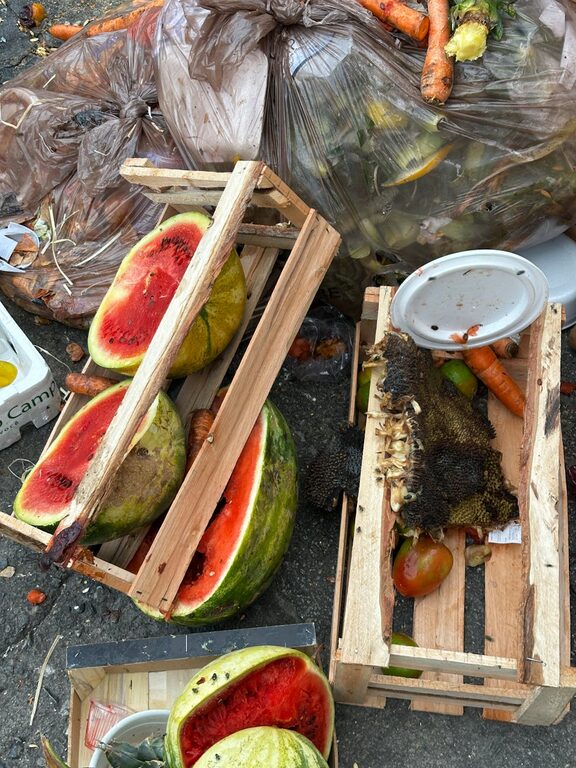
Reducing food waste at home is not only good for the environment but also saves you money and helps you get the most out of your groceries. Food waste contributes significantly to greenhouse gas emissions and strains resources used in food production. Fortunately, small changes in how we shop, store, and use food can make a big difference. In this post, we’ll explore practical, easy-to-follow ways you can reduce food waste in your household.
Why Reducing Food Waste Matters
Before diving into tips, it’s important to understand why reducing food waste is essential. When food is thrown away, all the resources used to produce, transport, and store that food—like water, energy, and labor—are wasted, too. Additionally, food that ends up in landfills produces methane, a potent greenhouse gas.
By cutting down food waste, you help:
– Lower your environmental footprint
– Stretch your grocery budget further
– Encourage mindful consumption habits
1. Plan Your Meals and Shopping
One of the simplest but most impactful steps is planning ahead.
Make a Shopping List
Write down what you need before heading to the store. This prevents impulse buys that often go unused.
Plan Weekly Meals
Think about what you’ll cook throughout the week and base your shopping list on those meals.
Check Your Pantry and Fridge
Use up what you already have before buying more to avoid doubling up, which can lead to waste.
2. Smart Grocery Shopping
Be intentional when you shop.
– Buy loose fruits and veggies instead of pre-packaged if possible. This lets you control the quantity and reduce spoilage.
– Choose items with longer shelf lives for stocking up.
– Avoid “bulk buys” unless you’re confident you can use the large quantities before they expire.
3. Proper Storage Extends Shelf Life
How you store food affects how long it stays fresh.
Keep Produce Fresh
Some fruits like apples release ethylene gas that speeds ripening of others—store certain items separately. Use breathable bags or containers.
Use Airtight Containers
Once packages are opened, transfer food like cereals, nuts, and leftovers to airtight containers to maintain freshness.
Temperature Matters
Keep your fridge temperature between 35-38°F (1.7-3.3°C) and freezer at 0°F (-18°C) for optimal preservation.
4. Use Leftovers Creatively
Instead of tossing leftovers, turn them into new meals.
– Make soups or stews with leftover vegetables and meats.
– Use stale bread for croutons or breadcrumbs.
– Prepare wraps, sandwiches, or salads incorporating leftover ingredients.
Label leftovers with the date so you know when to eat them.
5. Understand Food Labels
Food packaging often includes “Best Before” or “Use By” dates, which can be confusing.
– “Best Before” indicates quality, not safety. Food may still be fine to eat after this date.
– “Use By” is about safety; avoid eating after this date.
Use your senses—look, smell, and taste—to judge if food is still good rather than discarding it immediately.
6. Compost Food Scraps
Not all food waste can be avoided, but composting helps reduce landfill waste.
– Collect vegetable peels, coffee grounds, eggshells, and fruit scraps in a compost bin.
– Compost improves soil quality if you garden or can be added to local municipal compost programs.
Avoid putting meat, dairy, or oily foods into compost bins at home as they attract pests.
7. Freeze Surplus Food
Freezing is a great way to extend the usability of food.
– Freeze leftover meals in portion sizes for easy future reheating.
– Freeze fruits and vegetables before they spoil, which can be used later in smoothies or cooking.
– Freeze bread to keep it fresh for longer.
Label items with dates so you use them in a timely manner.
8. Practice FIFO in Your Pantry and Fridge
FIFO stands for “First In, First Out.”
– Arrange your groceries so the oldest items are at the front and easiest to reach.
– Use items in the order you bought them.
– Rotate stock regularly to keep track of what needs to be used soon.
9. Use Smaller Plates and Portions
Serving smaller portions helps prevent uneaten food on plates.
If you’re still hungry, you can always go back for more.
10. Donate Surplus Food
If you notice you have food that is still good but you won’t eat, consider donating it.
Many communities have food banks or charities that accept unopened food donations.
—
Final Thoughts
Reducing food waste at home is easier than you might think. Planning ahead, proper storage, informed shopping, and creative use of leftovers can greatly cut down what ends up in the trash. Every small step not only saves you money but also helps the planet. Start with one or two tips today and watch the positive changes add up!
Do you have your own food-saving tips? Share them in the comments below!