
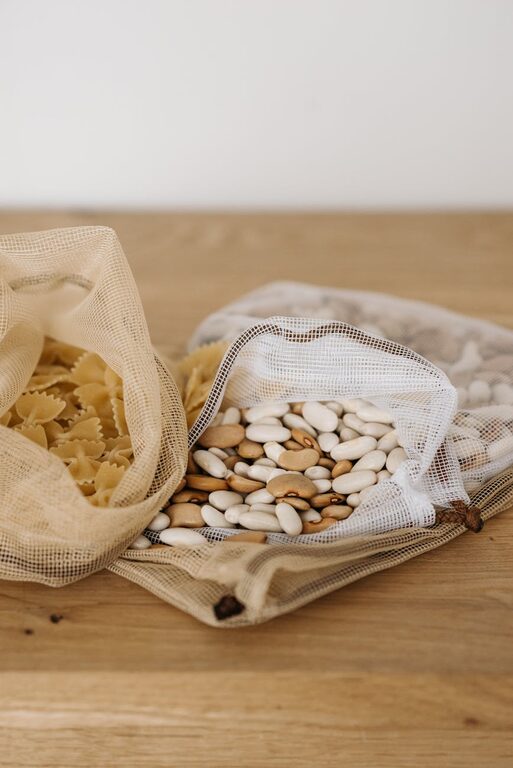
When it comes to home cooking, one of the best skills you can develop is planning meals using pantry staples. This approach not only helps you save money and reduce food waste but also makes mealtime less stressful. Whether you’re new to meal planning or looking for streamlined ways to use what you already have, this guide offers practical tips and ideas for turning basic pantry ingredients into satisfying meals.
Why Plan Meals Around Pantry Staples?
Pantry staples are the non-perishable ingredients you almost always have on hand, such as canned beans, rice, pasta, canned tomatoes, dried spices, and oils. These ingredients are versatile and form the foundation of many easy recipes. Planning meals with them in mind can:
– Save you time by reducing last-minute shopping
– Help stretch your food budget
– Minimize food waste by using items before they expire
– Encourage creative and flexible cooking
Step 1: Take Inventory of Your Pantry
Before you plan, it’s important to know exactly what you have. Grab a notepad or your phone and list all the items in your pantry and cupboards. Group them into categories like:
– Grains (rice, pasta, quinoa)
– Legumes (canned beans, lentils)
– Canned goods (tomatoes, corn, tuna)
– Baking supplies (flour, sugar, baking powder)
– Oils and vinegar
– Spices and herbs
– Nuts and seeds
This list becomes your starting point to decide what meals you can create.
Step 2: Identify Your Protein and Carb Options
Most meals center around a protein and a carbohydrate. Pantry staples offer plenty of protein alternatives such as canned beans, lentils, canned fish (like tuna or salmon), and nuts. For carbs, options might include pasta, rice, couscous, or even crackers as a base.
Match the proteins with carbs that complement them. For example:
– Black beans + rice
– Chickpeas + couscous
– Tuna + pasta
Step 3: Choose a Cooking Method
Deciding how you want to prepare your meal helps narrow down your options. Common cooking methods for pantry staples include:
– One-pot meals like stews or chili
– Stir-fries or sautéed dishes
– Pasta dishes with simple sauces
– Casseroles or baked dishes
For example, you might plan a one-pot tomato and bean stew or a quick pasta with canned tuna and garlic.
Step 4: Add Flavor with Spices and Herbs
Pantry staples often lack fresh ingredients, so spices and herbs add crucial flavor. Make sure to check which seasonings you have, such as:
– Garlic powder, onion powder
– Paprika, chili powder, cumin
– Dried oregano, basil, thyme
– Salt and pepper
Mix and match these to create a variety of flavor profiles. For instance, cumin and chili powder bring warmth to bean dishes, while oregano and basil are perfect for Italian-style meals.
Step 5: Incorporate Fresh or Frozen Produce (Optional)
If you have access to fresh or frozen vegetables, use them to complement your pantry staples. Adding onions, garlic cloves, bell peppers, carrots, or leafy greens can brighten up any dish and enhance nutrition.
Step 6: Plan a Sample Menu Using Pantry Staples
Here is an example of a simple menu you can create just from pantry staples (and optional fresh items):
Breakfast
– Oatmeal topped with nuts and dried fruit
– Peanut butter and banana on whole grain toast
Lunch
– Chickpea salad with canned corn, olive oil, vinegar, and spices
– Tuna pasta tossed with garlic and canned tomatoes
Dinner
– One-pot black bean chili with canned tomatoes and chili powder
– Lentil stew flavored with cumin, garlic, and paprika, served over rice
Tips for Successful Meal Planning
– Keep it simple: Don’t overcomplicate recipes. Many pantry meals are satisfying with just a few ingredients.
– Batch cook: Prepare larger portions so you have leftovers for busy days.
– Rotate your staples: Use older cans and bags first to avoid waste.
– Experiment: Try new spice combinations or cuisines to keep meals interesting.
– Make lists: When shopping, restock your most-used pantry staples to keep your kitchen ready.
Conclusion
Planning meals around pantry staples is a practical and enjoyable way to simplify your cooking routine. By taking inventory, pairing ingredients wisely, and using spices creatively, you can whip up flavorful meals without relying heavily on fresh groceries. Over time, you’ll build confidence and creativity in the kitchen, turning even the simplest pantry finds into comforting dishes.
Give pantry-based meal planning a try—you might be surprised by how tasty and convenient it can be!