
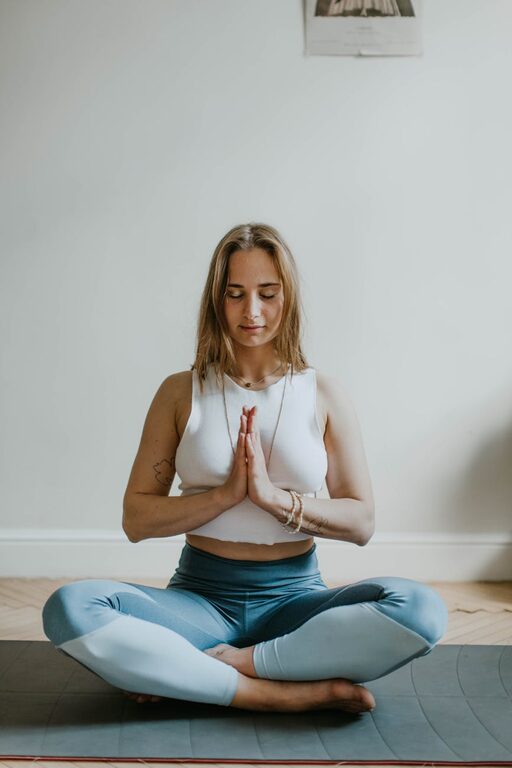
Taking mindful breathing breaks is a simple yet powerful way to bring calm and clarity into your daily routine. Whether you’re at work, at home, or on the go, pausing for a few deep breaths can help reduce stress, improve focus, and promote overall well-being. If you are new to mindful breathing, this post will guide you with easy, effective tips to get started and make these breaks a helpful habit.
What Is Mindful Breathing?
Mindful breathing means paying full attention to your breath — noticing the sensation of air flowing in and out of your body without trying to change it. It’s about being present in the moment and observing your breath with kindness and curiosity. This simple practice can anchor you during overwhelming situations or when your mind feels scattered.
Why Take Mindful Breathing Breaks?
– Reduces stress: Deep, steady breaths activate your body’s relaxation response, lowering heart rate and calming the nervous system.
– Improves concentration: Short breathing breaks can clear mental clutter and improve focus for the tasks ahead.
– Enhances emotional health: Mindfulness fosters self-awareness, helping you manage emotions more effectively.
– Boosts energy: Oxygenating your body through deep breaths can increase vitality and reduce fatigue.
How to Prepare for a Mindful Breathing Break
1. Choose a Comfortable Spot
It doesn’t have to be perfectly quiet, but find a place where you won’t be interrupted. This could be your chair, couch, or even outside on a bench.
2. Set a Timer
Start with just 2 to 5 minutes. Using a timer helps keep the practice consistent and prevents you from checking the clock.
3. Sit or Stand with Good Posture
Keep your back straight but relaxed. Comfortable posture allows for easy, natural breathing.
Beginner-Friendly Mindful Breathing Techniques
1. Simple Breath Awareness
– Close your eyes if you feel comfortable.
– Focus your attention on the natural flow of your breath.
– Notice the air entering your nostrils, filling your lungs, and leaving your body.
– Whenever your mind wanders, gently bring it back to the breath.
2. Counting Breaths
– Inhale deeply through your nose while silently counting “one.”
– Exhale gently through your mouth or nose while counting “two.”
– Continue counting up to “five” and then start over.
– This technique helps keep your mind focused and prevents distraction.
3. 4-7-8 Breathing
– Inhale quietly through your nose for a count of 4 seconds.
– Hold your breath for a count of 7 seconds.
– Exhale slowly through your mouth for 8 seconds.
– Repeat for 4 cycles.
– This pattern promotes relaxation and reduces anxiety.
4. Belly Breathing
– Place one hand on your chest and the other on your belly.
– Take deep breaths so that your belly rises and falls while your chest remains relatively still.
– This expands lung capacity and deepens the breath.
Tips to Make Mindful Breathing Breaks a Habit
– Schedule it: Set reminders on your phone or calendar for 2–3 breathing breaks daily.
– Pair it with routine tasks: Practice mindful breathing while waiting for your coffee to brew or during short elevator rides.
– Use apps or guided recordings: Apps like Insight Timer or Calm offer beginner-friendly guided breathing sessions.
– Be patient: Don’t worry if your mind wanders frequently. It’s normal and part of the learning process.
– Celebrate progress: Even brief moments of mindful breathing count toward building a calmer, more focused you.
Troubleshooting Common Challenges
“I can’t sit still.”
Try focusing on your breath while walking slowly or sitting in a chair you find comfortable. Movement can sometimes ease restlessness.
“My mind won’t stop racing.”
Remember, the goal isn’t to stop thoughts entirely, but to gently return attention to your breath each time your mind drifts.
“I feel self-conscious.”
Practice in private until you feel more confident. Others practice mindful breathing too—there’s nothing to be embarrassed about!
When Can You Take Breathing Breaks?
– First thing in the morning to start your day centered
– During work breaks to relieve stress and reset your focus
– Before meetings or presentations to calm nerves
– After stressful phone calls or conversations
– In the evening to unwind and prepare for restful sleep
Final Thoughts
Mindful breathing breaks are an accessible, free tool for improving your mental and emotional well-being. Starting with just a few minutes a day can bring noticeable benefits over time. Remember, it’s not about doing it perfectly but about creating space for calm and awareness in your life. Why not take a mindful breathing break right now? Breathe in, breathe out, and notice how it feels.
—
By incorporating these beginner tips into your routine, mindful breathing can become a simple but powerful practice that supports your day-to-day wellness. Give yourself permission to pause, breathe, and reset—you deserve it!